
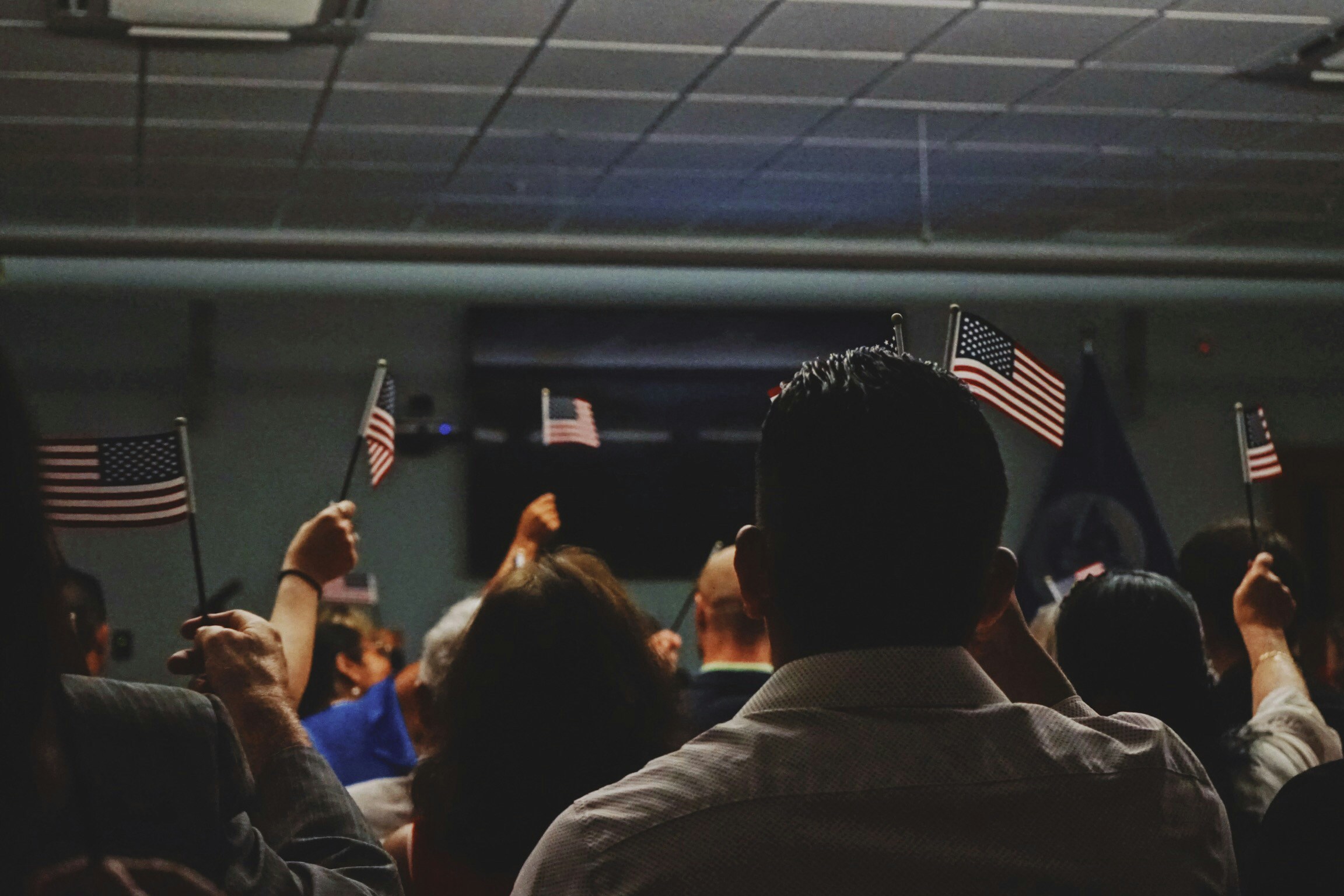
Family-Based Immigration: Bringing Loved Ones to the United States
Family reunification is one of the goals of United States immigration law, and the law provides many opportunities for immigrants and noncitizens who remain in the United States on a semi-permanent basis to bring their close family members to the United States with them. Likewise, naturalized U.S. citizens have the right to petition for permanent residency for their close family members.
Of course, the details of family-based immigration vary according to many details. One family may be able to enter the United States as a family unit and stay there together forever, while someone else might have to wait a decade before his wife and children can join him in the U.S. If you are lucky enough to win the green card lottery, your good fortune can quickly begin to feel like an albatross around your neck as your family immediately begins asking you how long until you can get permanent citizenship for them, too.
Petitioning for family-based immigration is always a waiting game; you are at the mercy of backlogs and changing policies. The best way to avoid delays is to work with a Whittier mmigration lawyer on your family-based immigration case.
How is Family-Based Immigration Different From Other Types of Immigration?
The reasons for requesting and granting visas fall into the broad categories of economic, family-based, and fear-based. Family-based immigration is when someone requests a visa or permanent residency because another member of his or her family is already present in the United States or has become a naturalized United States citizen. In most cases, the family member who is petitioning to have other relatives join him or her in the United States does so for a reason other than following other members of the family.
In some cases, the petitioner entered the United States as a student or employee. In other cases, the petitioner fled from his or her country of origin because of a war or other dangerous circumstances, received asylum in the United States, eventually got permanent residency, and became a naturalized citizen. Regardless of how you first arrived in the United States, you must follow the procedures carefully to maximize the chances that USCIS will grant your request for your family members to join you in the United States.
Which Family Members are Automatically Eligible to Share Your Visa Status?
Many nonimmigrant visas have analogous visa categories for the spouse and minor children of the visa holder. For example, an international student may bring his or her spouse and children to the United States for the duration of his or her studies. Highly skilled workers can get H-1B visas, and when they do, their spouses and minor children can move to the United States with them on H-2B visas. Investors who receive EB-5 visas also have the right to bring their immediate families with them as they begin their business ventures in the United States. When survivors of violent crime apply for four-year U visas, their spouses and minor children can apply with them as secondary beneficiaries. If and when any of these visa holders become eligible to adjust their status to permanent residency, their spouses and children have the right to apply for adjustment of status at the same time.
If you have permanent residency, it is not difficult to get visitor visas for your parents, siblings, or adult children. You must only show a family relationship and your ability to support them financially during their visit, which may last several months.
The most challenging cases are those involving adult family members of naturalized citizens. As a naturalized citizen, you may apply for an immigrant visa for your parents or siblings, but millions of other naturalized citizens are doing the same thing. Therefore, the wait times can be a decade or more. To make matters more frustrating, USCIS cannot issue more than 7% of its yearly quota for immigrant visas for relatives of naturalized citizens to people from the same country. This means that naturalized citizens from small countries with small diaspora populations in the U.S. have to wait long enough, but people from populous countries and well-established immigrant communities in the United States must wait even longer.
Applying for Permanent Residency for Your Spouse or Fiance
If you are a U.S. citizen planning to marry a citizen of another country, it is easier to bring your fiancé while you are engaged and then to formalize the marriage in the U.S. Fiance visas are a simple matter; your fiancé gets the visa, you marry within 90 days of your partner’s arrival in the U.S., and then your new spouse can apply for adjustment of status to permanent residency.
Contact the Law Offices of Omar Gastelum About Family-Based Immigration
An immigration attorney can help you bring your family to the United States. Contact the Law Offices of Omar Gastelum in Whittier, California, to set up a consultation.
Sources
https://travel.state.gov/content/travel/en/us-visas/immigrate/family-immigration.html
A Whittier immigration attorney can help you apply for a visa or green card for your parents, spouse, siblings, or children.
