
Naturalization in California: Preparing for U.S. Citizenship with Confidence
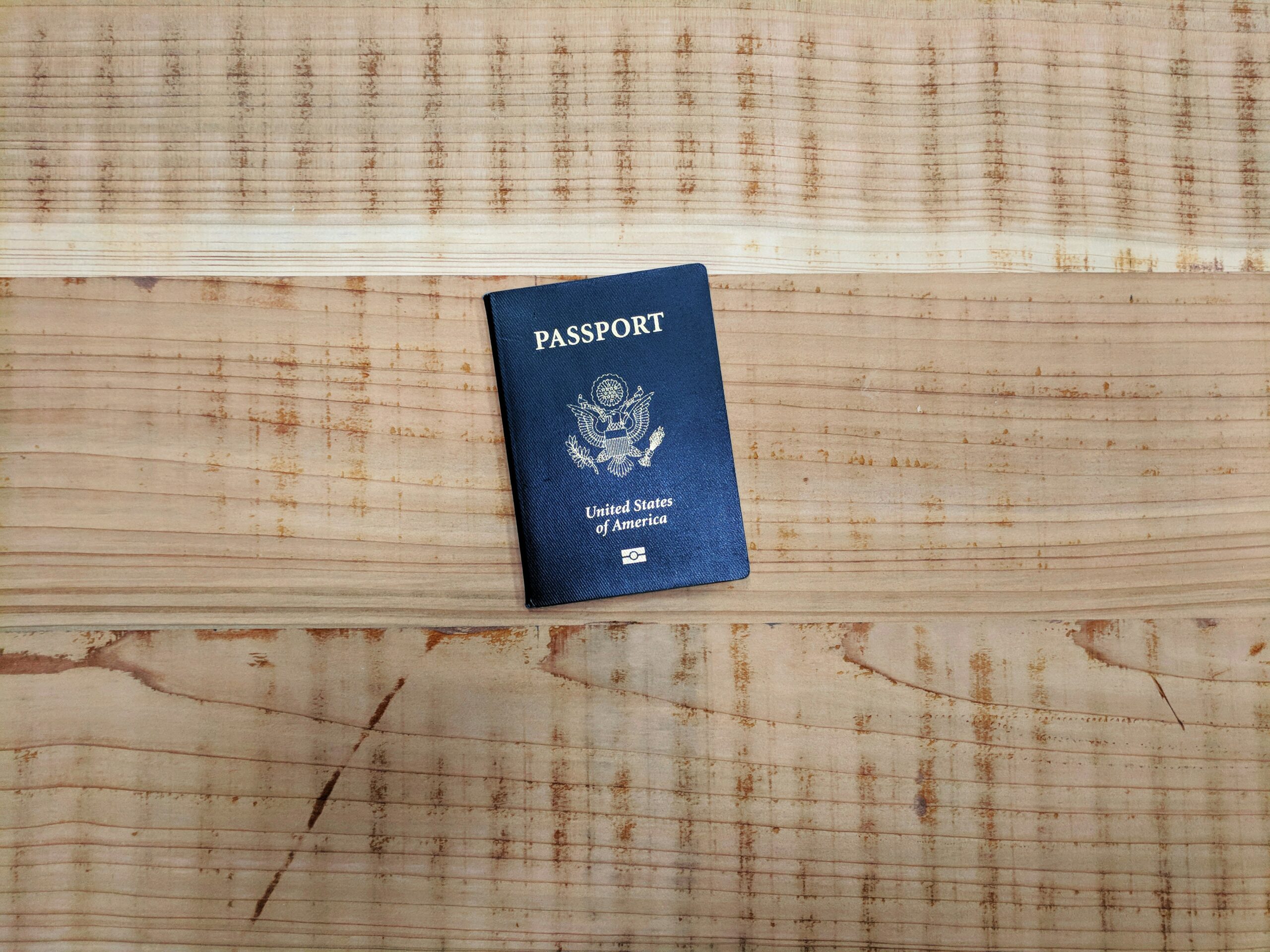
For many lawful permanent residents, becoming a United States citizen is a major milestone. It can bring a stronger sense of security, the right to vote, access to a U.S. passport, and the opportunity to participate more fully in civic life. For many families, it also represents the final step in a long immigration journey.
Even so, naturalization is not always simple. While some applicants move through the process without major issues, others encounter delays, requests for additional evidence, or questions about travel, taxes, prior applications, or criminal history. In many cases, the difference between a smooth process and a stressful one comes down to preparation.
For California residents, one point is especially important: naturalization is a federal process, not a California state process. That means the legal requirements are generally the same whether a person lives in Whittier, Los Angeles, San Diego, Fresno, San Jose, or elsewhere in the state. Still, California applicants often benefit from careful review of their records, especially when they have a long immigration history, extended travel, or prior contact with immigration authorities.
Understanding the steps ahead can make the citizenship process easier to approach with confidence.
Naturalization Is Governed by Federal Law
Although this article focuses on California residents, naturalization is controlled by federal immigration law. U.S. Citizenship and Immigration Services, commonly known as USCIS, handles naturalization applications across the country.
In most cases, a person begins the process by filing Form N-400, the application for naturalization. USCIS then reviews eligibility, conducts background checks, schedules an interview, tests English and civics knowledge when required, and decides whether to approve the application.
Because the process is federal, California does not create separate citizenship rules. Still, practical differences can arise depending on local USCIS field office scheduling, case volume, interview availability, and oath ceremony logistics. Those local differences do not change the law, but they can affect timing and the overall experience.
Basic Eligibility for Naturalization
Before filing an application, it is important to understand whether the basic requirements are met. While each case can involve unique facts, most applicants must satisfy several core standards.
Lawful Permanent Resident Status
Most people applying for naturalization must first be lawful permanent residents, meaning they hold a green card.
For many applicants, the standard path requires holding permanent resident status for at least five years before filing. Some applicants may qualify sooner, including certain people who have been married to and living with a U.S. citizen spouse for three years.
A person’s exact filing timeline depends on the category under which they apply, so careful review of dates is important before submitting the N-400.
Continuous Residence
Applicants usually must show that they maintained continuous residence in the United States during the required period.
This requirement often causes confusion because it is not just about whether someone had a U.S. address. USCIS looks at whether the applicant truly maintained residence in the United States over time. Long trips outside the country can create problems.
In general, an absence of more than six months can raise concerns. An absence of one year or more usually creates even more serious issues and may break the required period of continuous residence unless a specific exception applies.
This is one of the most important areas to evaluate before filing. Travel that seems routine to the applicant may lead USCIS to ask whether the person had really maintained residence in the United States.
Physical Presence
Continuous residence is different from physical presence.
Physical presence refers to the actual amount of time the applicant was physically inside the United States during the required period. Most applicants filing under the five-year rule must show they were physically present in the United States for at least 30 months out of the last five years. For many applicants under the three-year rule, the requirement is 18 months out of the last three years.
This means that even if a person kept a home in California, extensive travel abroad may still affect eligibility.
Residence in the Filing Area
Applicants must also generally show that they lived for at least three months in the state or USCIS district where the application is filed.
For California residents, that usually means proving residence in California for that period before filing. This requirement is often straightforward, but it still matters, especially for people who recently moved.
Good Moral Character
USCIS requires applicants to show good moral character during the relevant statutory period, and in some situations earlier conduct may also be considered.
This area can involve a wide range of issues, including:
- Criminal history
- False statements to immigration officials
- Failure to pay taxes
- Failure to support dependents
- Unlawful voting
- Other conduct that may reflect negatively on the application
Not every issue leads to denial, but any potentially relevant history should be reviewed carefully before filing. Even matters that seem minor or old may still need to be disclosed and explained.
English and Civics Requirements
Most naturalization applicants must demonstrate a basic ability to read, write, and speak English. They must also pass a civics test covering U.S. history and government.
Some exceptions and accommodations may apply. For example, certain applicants may qualify for modified testing or exemptions based on age, length of permanent residence, or a qualifying disability. These exceptions are important, but they must be properly documented.
Willingness to Take the Oath
Naturalization also requires the applicant to be willing to support the Constitution and take the Oath of Allegiance. Citizenship does not become final until the oath is taken.
What the Naturalization Process Usually Looks Like
Although every case is different, the naturalization process usually follows a familiar series of steps.
Filing Form N-400
The process starts when the applicant files Form N-400 with USCIS. The applicant must also pay the filing fee unless eligible for a fee waiver or reduced fee under current USCIS rules.
Accuracy matters at this stage. The form asks detailed questions about residence, travel, employment, family history, criminal history, taxes, and prior immigration matters. Inconsistencies between the N-400 and earlier immigration filings can create problems later, particularly at the interview.
Biometrics and Background Checks
After filing, USCIS may schedule a biometrics appointment, although in some cases the agency may reuse prior biometrics.
This step allows USCIS to verify identity and conduct background and security checks. Any criminal record, arrest, prior immigration issue, or mismatch in records may surface during this review.
The Naturalization Interview
The interview is one of the most important stages in the process.
A USCIS officer will usually review the N-400 with the applicant, confirm basic information, and ask questions about matters such as:
- Travel outside the United State
- Residence history
- Employment history
- Marital history
- Taxes
- Criminal matters
- Selective service registration, when relevant
- Prior immigration filings or interactions with immigration authorities
The officer will also typically evaluate English ability during the interview and administer the civics test unless an exception applies.
Applicants should not assume the interview will be limited to simple yes-or-no questions. If there are long trips abroad, prior arrests, inconsistencies in the file, tax concerns, or other complications, the officer may ask for detailed explanations and supporting documents.
A Decision From USCIS
After the interview, USCIS may approve the case, continue the case for further review, or deny the application.
A continued case does not necessarily mean the application will be denied. In some situations, USCIS may request additional documents, schedule another review, or allow retesting if the applicant did not pass part of the English or civics requirements.
The Oath Ceremony
Approval at the interview does not complete the naturalization process. The applicant becomes a U.S. citizen only after taking the Oath of Allegiance at an oath ceremony.
After the oath is completed, the person receives a Certificate of Naturalization.
What to Bring and How to Prepare for the Interview
Preparation can make a significant difference in how confidently an applicant approaches the interview.
One of the most important steps is reviewing the N-400 carefully before the interview. USCIS may ask whether everything on the application is still correct. If something has changed since filing, such as travel, employment, marital status, or a criminal matter, the applicant should be ready to explain that change clearly and provide updated documentation if needed.
Documents often relevant to the interview include:
- Permanent resident card
- Passports and travel records
- State-issued identification
- Tax returns or IRS transcripts, when relevant
- Certified court records for any arrests, charges, or dispositions
- Marriage certificates, divorce judgments, or name-change documents, if applicable
- Selective service proof, when applicable
- Any additional documents requested by USCIS in the interview notice
Even where a case appears straightforward, reviewing the full file in advance can help identify issues before the interview rather than during it.
Common Issues That Can Complicate Naturalization
Some applications are relatively direct. Others require closer legal review because certain facts may affect eligibility or create additional risk.
Long or Frequent Travel Abroad
Travel history is one of the most common problem areas.
Extended absences can affect both continuous residence and physical presence. USCIS may look more closely at applicants who spent long periods outside the United States, especially if they worked abroad, kept a residence abroad, or otherwise appeared to move their primary life outside the country.
A person may believe they remained a U.S. resident the entire time, but the details of travel can still become a serious issue in the naturalization process.
Criminal History
Any criminal history should be reviewed with care before filing.
That includes not only convictions, but also arrests, charges, diversion programs, probation, expungements, or other court involvement. Even incidents that did not lead to jail time may still matter.
In immigration law, the outcome of a case in California criminal court does not always control how USCIS will view the issue. Some cases may lead only to delay or additional questions. Others may create temporary ineligibility, permanent barriers, or even raise removal concerns.
For that reason, criminal history should never be treated as a minor issue without careful analysis.
Tax Problems
Tax compliance is another area that can affect naturalization.
Failure to file required tax returns, unpaid tax debt, or claiming to be a nonresident for tax purposes can raise questions about good moral character or about whether the applicant truly maintained residence in the United States.
In some situations, tax problems can be addressed, but they should be reviewed before the application is filed.
Failure to Support Dependents
USCIS may also look at whether an applicant has met legal obligations to support children or other dependents. Failure to pay court-ordered child support can become part of the good moral character analysis.
Prior Immigration Errors or False Statements
Mistakes or inconsistencies in earlier immigration filings can reappear during the naturalization process.
This can include issues in prior visa applications, green card filings, family-based petitions, or other submissions to immigration authorities. Sometimes the problem is a misunderstanding or a simple inconsistency. In other cases, it may involve a more serious allegation of misrepresentation.
Because USCIS reviews the applicant’s broader immigration history, naturalization is often not the first time these issues come to light.
Selective Service Questions
Some male applicants may be asked about Selective Service registration. Failure to register when required can affect the good moral character analysis depending on the person’s age and the surrounding facts.
Medical Disability Exceptions
Applicants seeking an exception to the English or civics requirements based on disability must provide proper medical documentation. These requests are closely reviewed, so accuracy and completeness matter.
Practical Considerations for California Applicants
Because naturalization is federal, California applicants follow the same general legal standards as applicants in other states. Even so, California residents often have immigration histories that deserve careful review.
Some applicants entered through family-based petitions. Others may have prior humanitarian relief, border-crossing history, earlier removal-related issues, or long periods of travel between the United States and another country. These details do not necessarily prevent naturalization, but they can make pre-filing review especially important.
For many California residents, the strongest approach is to treat naturalization as more than a form-filing exercise. Careful document gathering, timeline review, and issue spotting can help reduce avoidable delays and strengthen the application.
Preparing for Citizenship With Confidence
A well-prepared naturalization case usually starts long before the interview. Reviewing the full immigration history, confirming travel dates, checking tax compliance, and gathering any court records in advance can help identify concerns early.
Naturalization is an important step, but it is also a process that deserves care. When an applicant understands the legal requirements and prepares thoroughly, the path forward often becomes much clearer.
Contact The Law Offices of Omar Gastelum and Associates
If you are preparing to apply for U.S. citizenship and want guidance on the naturalization process, the Law Offices of Omar Gastelum and Associates can help you evaluate your situation and prepare for the next step.
Founded in 2003 and based in Whittier, California, our firm represents clients in complex immigration matters and provides thoughtful, practical guidance tailored to each case. Whether you have questions about travel history, prior filings, criminal issues, or the naturalization interview itself, our team can help you better understand your options.
Contact The Law Offices of Omar Gastelum and Associates to schedule a consultation and discuss your path toward citizenship.
